
About IADC
PURPOSE, PRINCIPLES, AND PEOPLE

What is IADC Therapy?
IADC is a brief psychotherapeutic treatment for grief, developed in 1995 by Allan Botkin, Psy.D. Originally derived from Eye Movement Desensitization and Reprocessing (EMDR) Therapy, IADC incorporates bilateral stimulation (BLS) within a focused, structured approach to address grief-related distress. It is typically delivered in two 90-minute sessions by a licensed mental health professional.
IADC is designed to reduce the intense emotional pain that often accompanies grief and traumatic loss. As this distress lifts, many clients enter a calm, open state in which approximately 70 percent report a spontaneous, vivid sense of connection with their deceased loved one. This experience—commonly referred to as an after-death communication (ADC)—often brings profound comfort, resolution, and healing, even for clients who remain uncertain about the experience’s source. IADC does not propose a specific explanation for ADCs; clients are encouraged to interpret their experiences in whatever way feels most meaningful to them.
Clinical observations and research indicate that IADC leads to significant and lasting improvement in grief-related symptoms. In a controlled study, clients receiving IADC showed greater overall improvement than those receiving traditional grief counseling, with approximately 40% of symptom change attributed directly to IADC.
Ongoing research continues to deepen understanding of IADC Therapy, including studies led by Tom Nehmy and a newly launched investigation at the University of Virginia Division of Perceptual Studies, one of the world’s leading research centers focused on consciousness and bereavement.
IADC Therapy is currently practiced worldwide by licensed mental health professionals trained in this method.

Why is it called Induced
After-Death Communication?
The term after-death communication (ADC), referenced above, refers to a spontaneous experience of perceived connection with a loved one who has died—often described as vivid, emotionally meaningful, and unexpected. Such experiences have been reported across cultures for centuries and have been widely studied through large-scale surveys and meta-analyses. While interpretations vary, ADCs are broadly recognized as a common and impactful phenomenon in the context of grief.
In 1995, Dr. Botkin observed that certain therapeutic interventions using eye movements appeared to reliably induce a psychological state in which these experiences sometimes arose naturally for grieving clients. Importantly, the experiences themselves were not caused or controlled by the therapist. Given the established terminology for these spontaneous experiences, he named the method Induced After-Death Communication (IADC)—a title that reflects the outcome clients often report, rather than a claim about the mechanism or source of the experience.
What to Expect in an IADC Session
In practice, IADC Therapy typically involves two 90-minute sessions conducted on consecutive days. Using eye movements or other forms of bilateral stimulation, the therapist helps the client reduce the emotional pain associated with grief. Once this distress is significantly alleviated, the client is guided into a calm, receptive state.
In this state, many clients report a powerful and loving sense of connection with the deceased—experienced through one or more of the senses, or as a profound felt presence.
Clients commonly describe a marked reduction in emotional pain, resolution of unresolved issues in their relationship with the deceased, reassurance regarding their loved one’s wellbeing, and a meaningful shift in any sense of separation.
Importantly, belief plays no role in the effectiveness of IADC Therapy. Clients who understand their experiences as spiritual report benefits comparable to those who interpret them through psychological, neurobiological, or other explanatory frameworks.

Mission & Values
At the heart of IADC is a commitment to healing. Our mission and core values reflect a deep reverence for the grieving process, the inherent dignity of each client’s experience, and the importance of ethical, trauma-informed care. Our goal is simple and profound: to help transform grief and restore connection.
OUR MISSION
The IADC International Institute exists to expand access to profound, healing experiences that help people move through grief into peace, meaning, and renewed engagement with life. Central to this process is the possibility of a perceived reconnection with someone who has died — an experience many clients describe as deeply relieving and transformative.
We train and support therapists worldwide in the skillful, compassionate, and ethical use of IADC Therapy. Our work is grounded in trauma-informed care, respect for the client’s own meaning-making, and a deep commitment to preserving the integrity of the IADC protocol while allowing thoughtful evolution based on research and clinical experience.
We advance this work through high-quality training, ethical research, international collaboration, and a growing community of practitioners dedicated to grief relief, emotional integration, and compassionate presence.
OUR VALUES
-
We preserve and teach the IADC protocol with fidelity and care, while allowing for thoughtful evolution informed by evidence, ethics, and lived clinical wisdom.
-
We honor each client’s unique experience and interpretation, maintaining a stance of neutrality regarding the source or nature of IADC experiences. This stance allows meaning to emerge authentically, without imposition—supporting ethical care and research.
-
Safety, attunement, and clinical discernment guide every stage of IADC therapy — from screening to integration — with deep respect for the nervous system and pacing of grief.
-
We support ethical, transparent research into IADC’s mechanisms, outcomes, and phenomenology — welcoming diverse scientific and theoretical perspectives while keeping clinical benefit at the center.
-
We meet grief, longing, and transformation with empathy, presence, and respect for the universal human need for connection, relief, and meaning.
-
We prepare therapists not only with technical skill, but also presence, humility, discernment, and ethical grounding — recognizing that the method is carried through the clinician.
-
We cultivate a supportive, international community where practitioners uphold standards, share knowledge, and strengthen one another’s growth and wellbeing.
-
We strive to make IADC therapy and training available across cultures, languages, and contexts, respecting diverse identities, beliefs, and ways of understanding loss and healing.
ETHICAL CONDUCT STATEMENT
All faculty and official affiliates of the IADC International Institute are expected to uphold the highest standards of professional and ethical conduct. This includes a commitment to client wellbeing, fidelity to the IADC protocol, and respect for each client’s meaning-making process. Equally important is a shared responsibility to protect the integrity of the Institute itself by fostering collegial respect, maintaining clear boundaries, and contributing to a culture of trust, transparency, and collaboration across our international community.
Leadership
IADC INTERNATIONAL INSTITUTE LEADERSHIP AND FACULTY
The IADC International Institute is led by a team of experienced clinicians and faculty dedicated to preserving the integrity of IADC Therapy while expanding its reach worldwide. We are united by a shared commitment to healing, ethical practice, and the ongoing development of this powerful therapeutic approach.
-
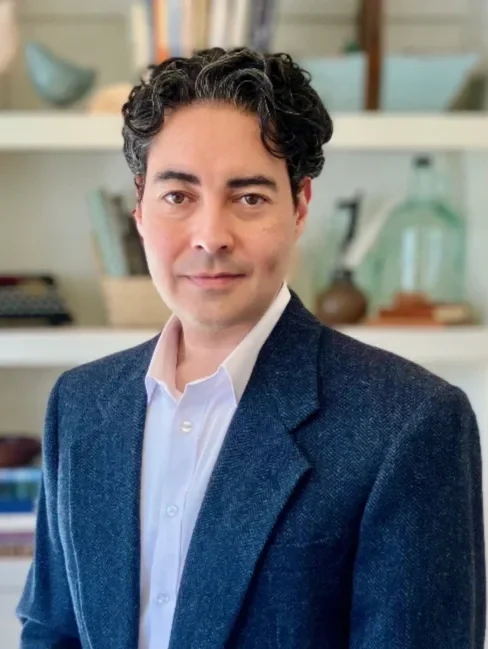
César Valdez, LMSW
Executive Director & Lead Trainer
César Valdez is a licensed clinical social worker, trainer, and consultant with over 30 years of experience supporting individuals through trauma, grief, and psychological transformation. He is the founding Executive Director and Lead Trainer of the IADC International Institute, where he oversees training standards, clinical integrity, and the international development of IADC Therapy.
A long-time student of healing and the human spirit, César is known for his clear, attuned teaching style and his commitment to compassionate, evidence-informed care. He has taught at a University of Michigan–affiliated graduate training institute, co-founded a professional training organization for psychotherapists, and has trained and mentored hundreds of clinicians in mind-body integration, trauma-informed practice, and grief therapy.
César’s work lives at the intersection of clinical precision and soulful inquiry. In his leadership of the Institute, he is focused on preserving the integrity of IADC Therapy while supporting its thoughtful, responsible expansion across cultures and clinical contexts. He collaborates closely with researchers, trainers, and practitioners worldwide to ensure the ethical stewardship and ongoing evolution of this work.
He lives with his family in Ann Arbor, Michigan.
-
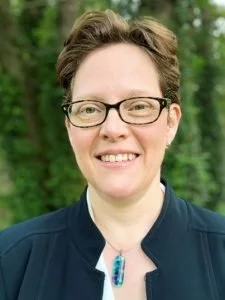
Noelle St. Germain-Sehr, PhD, LPC-S, NCC, ACMHP
Director of Research
(They/Them/She/Her)
Dr. Noelle St. Germain-Sehr serves as the Director of Research for the IADC International Institute where they work to further ethical scientific inquiry related to IADC, encourage scientific rigor and integrity, and support ethical dissemination of knowledge related to IADC in order to expand the reach of IADC Therapy around the world.
Noelle is a licensed professional counselor, supervisor, educator, researcher, presenter, and author with over 30 years of clinical experience working with grieving clients and helping clients with integration of spiritually transformative experiences.
Currently serving as a Clinical Associate Professor of Counseling at William & Mary, Noelle has over 25 years of teaching and research experience in higher education. They have developed and taught courses, provided training and consultation, and presented extensively on grief and transpersonal counseling topics. They currently serve on a research team at the University of Virginia School of Medicine, Division of Perceptual Studies (DOPS) studying after-death communication and grief-related experiences.
Noelle has a deep passion for scientific exploration of transpersonal phenomena, and their research focuses on reducing stigma related to transpersonal phenomena, improving mental health providers’ effectiveness in addressing transpersonal issues, and expanding research related to IADC.
Noelle lives with their family in Denton, Texas.
-
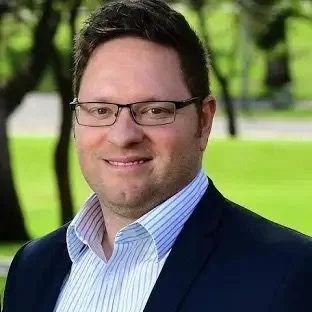
Tom Nehmy, PhD
Assistant Director of Research, Trainer – Australia
Dr. Tom Nehmy is a clinical psychologist, trainer, speaker and author with over 20 years’ experience. As a passionate exponent of IADC Therapy, he serves the IADC International Institute as Assistant Director of Research, helping to guide and support the scientific growth and dissemination of IADC worldwide.
In addition to working clinically with grief clients, Tom holds the position of Visiting Research Fellow in the School of Psychology at Adelaide University in South Australia, where he is conducting research into IADC Therapy.
He is the author of multiple scholarly publications, and in 2025 released an international bestselling book about IADC Therapy, Inspired Life, Beautiful Death: Healing Grief, Overcoming Fear of Death & Living a Spiritual Life.
Most of all, Tom loves witnessing the healing power of IADC and exploring the nexus of spirituality and scientific inquiry. Tom provides IADC Therapy online through his practice, Healing Grief International, where further detail on his IADC research can also be found. He lives with his family in the Adelaide Hills.
-

Sabine Menon, PhD
Clinical & Strategic Development Associate
Sabine brings over 25 years of international experience at the intersection of psychology, executive coaching, and human development. Having lived and worked across France, the UK, Germany, the USA, Argentina, Singapore, China, and Dubai, she now shares her time between the United States and France, working remotely with clients worldwide, in both French and English.
As a trained IADC therapist and Clinical & Strategic Development Consultant for the IADC International Institute, Sabine provides consultation and strategic support related to international growth, organizational development, professional partnerships, and outreach opportunities. Her work with the Institute draws on her clinical foundation, her experience with IADC Therapy, and her long-standing work in leadership and human development.
For 15 years in Shanghai, she founded and directed Reflections, a behavioural leadership coaching practice working with executives, entrepreneurs, and leadership teams within Fortune 100 companies. Alongside this work, she maintained a therapy practice for individuals and couples, supporting expatriates and families through periods of stress, change, loss, and transition.
Affiliated with INSEAD Executive Education, Sabine coaches senior executives internationally — accompanying individuals, including business owners and senior leaders, not only in their professional decisions and leadership challenges, but also in the deeper personal questions that often accompany success, change, grief, burnout, or reinvention.
She holds an MA in Clinical Psychopathology and a PhD in Human and Organizations Development, and is also an accredited Mindfulness Teacher.
Alongside her professional work, Sabine volunteers as a pet therapist with her dog Bella in Memory Care Centers and nursing homes, an experience that continues to deepen her perspective on resilience and human connection.
-
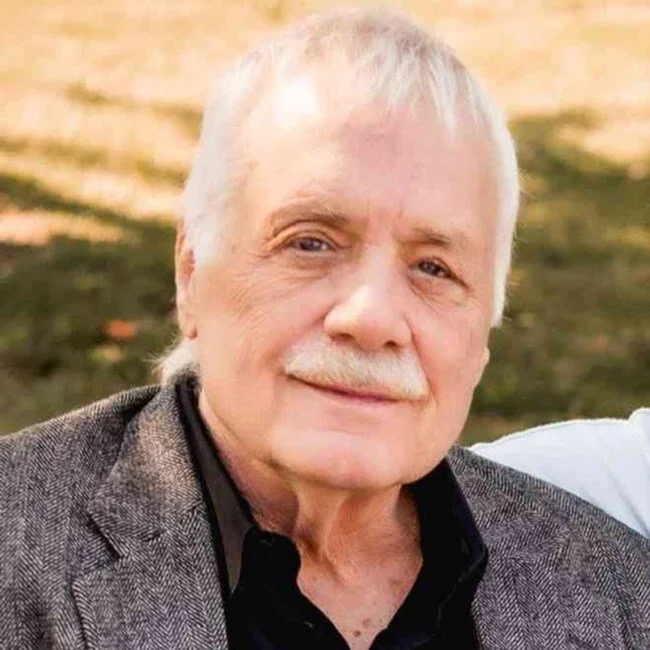
Allan Botkin, PsyD
IADC Founder & Institute Advisor – in Memoriam
Dr. Allan Botkin was the founder of IADC Therapy and the originator of the clinical model that continues to guide this work. He developed the method in 1995 while serving as a clinical psychologist at the Chicago Veterans Administration hospital, where he specialized in treating combat veterans with severe trauma histories. In the course of that work, Dr. Botkin discovered that a modified use of EMDR Therapy could lead not only to significant relief from grief, but also, in many cases, to profound inner experiences involving a sense of connection with deceased loved ones.
What began as a clinical discovery evolved into a structured therapeutic protocol that has since been practiced by licensed mental health professionals around the world. Through his writing, teaching, and willingness to share a method that challenged conventional expectations, Dr. Botkin opened a new path for grief healing and helped bring wider attention to the transformative possibilities of continuing bonds.
Dr. Botkin also supported and helped shape the early development of the IADC International Institute. We honor him with deep gratitude for the vision, clinical insight, and compassion that gave rise to this work. His legacy continues in the work of those who carry the method forward and in the lives of the many grieving people it has helped.
-
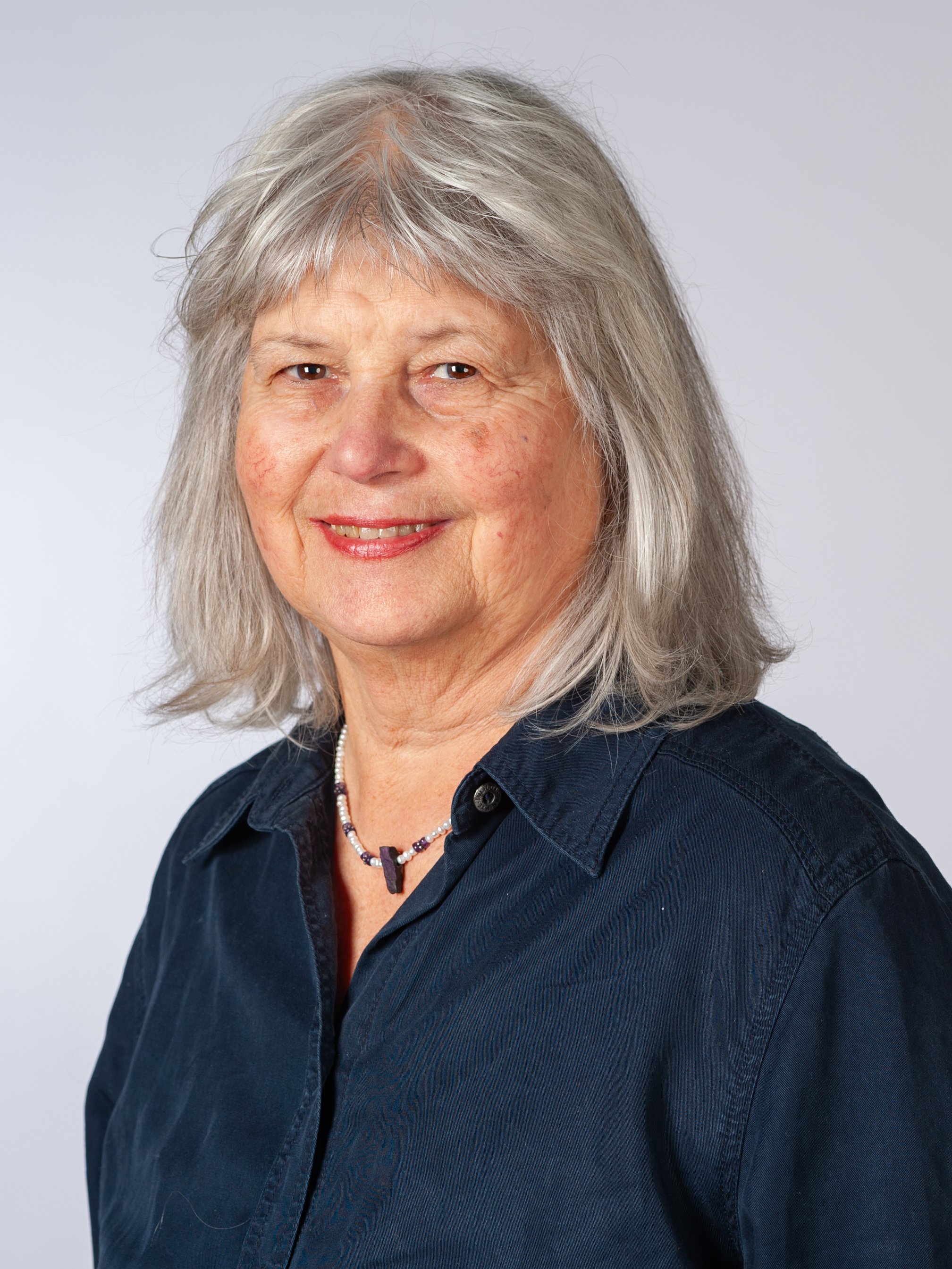
Juliane Grodhues, PP
Trainer – Germany
Juliane Grodhues is a licensed clinical psychotherapist, trauma therapist, IADC trainer, lecturer, and author. After many years of clinical work in hospitals and counseling centers, she founded her private practice for the treatment of trauma and grief in 2007.
A pivotal moment in Juliane’s professional development occurred in 2006, when she met Dr. Allan Botkin at his Center for Grief and Traumatic Loss in Libertyville, Illinois. There she completed training in IADC Therapy and recognized its potential as a meaningful and effective approach for working with grief. Her background as an experienced trauma therapist, along with earlier personal experiences that shaped her interest in after-death phenomena, provided an important foundation for her work with this method.
Guided by the clinical and experiential dimensions of IADC Therapy, Juliane played a central role in introducing the approach to Europe, first establishing it in Germany. She presented widely at conferences, offered workshops, hosted two major IADC seminars with Allan Botkin in Heidelberg in 2008 and 2009, and supported the publication of his book in German in 2009. These efforts culminated in the founding of the Allan Botkin Institutein Germany in 2011.
The Allan Botkin Institute served for many years as a forum for lectures, IADC trainings, and supervision, contributing to the dissemination of IADC Therapy across Germany, Switzerland, Austria, France, Belgium, and Italy. During this time, Botkin’s book was also published in French and Italian.
With the founding of the IADC International Institute, the Allan Botkin Institute formally closed in 2025 in order to support a unified and internationally coordinated framework for the teaching and development of IADC Therapy. Juliane continues to work clinically with grieving clients, offer seminars, and contribute to publications related to IADC.
Juliane is widely known for her grounded, compassionate presence and her depth of experience as both a clinician and seminar leader. She lives with her family in Saarbrücken, Germany.
-
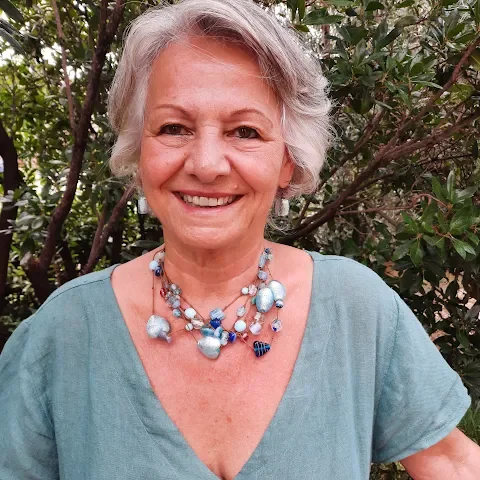
Bernadette Ableggen-Verazzi, Psychologist, Psychotherapist
Trainer Emerita – Switzerland
Bernadette Abegglen–Verazzi holds a degree in Psychology (BA) with a specialization in Clinical Psychology from the University of Geneva (MBA). She has worked as a psychotherapist with public and private international organizations.
She spent nearly 20 years in the humanitarian field with UNICEF in Latin America, Africa, and Europe, managing large-scale programs focused on health, education, and psychosocial support for vulnerable women and children.
For over 25 years, she has embraced a holistic and integrative therapeutic approach, addressing the body–mind–psyche connection and drawing on psychoneuroimmunology, psychosomatics, and meta-medicine. She specialized in the Carl Simonton Method, supporting individuals affected by cancer and degenerative diseases. Over the years, she has further enriched her practice by integrating additional therapeutic tools such as EMDR, hypnosis, and regressive spiritual hypnosis.
Over the past decade, her work has focused primarily on grief and bereavement support through IADC Therapy. Trained by Juliane Grodhues and formally recognized as an IADC Trainer by Dr. Allan Botkin, she played a key role in the development and dissemination of this approach in Switzerland and other French-speaking regions. As she has stepped back from active training, she continues to support the thoughtful evolution of IADC in these areas.
She lives in Verbania, Italy with her husband.